The 2026 Forecast: 10 Home Decor Trends Defining Indian Interiors
As we step into 2026, the Indian home is undergoing a profound transformation. No longer just a place to reside, the home has become a curated sanctuary—a reflection of personal values, emotional well-being, and a deep-rooted connection to our heritage. At Kiruofficial, we believe that the decor you choose doesn’t just fill a space; it tells your story.
In an increasingly fast-paced, hyper-connected world, our physical spaces are working harder than ever to ground us. We crave environments that offer a tactile escape from our screens—spaces that invite us to run our hands over raw wood, sink into soft, breathable textiles, and surround ourselves with the grounding energy of nature. The forecast for 2026 signals a departure from the “showroom-perfect” clinical minimalism of the past. Instead, we are seeing a move toward soulful interiors that prioritize comfort, sustainability, and material honesty.
This year is all about “quiet luxury” reimagined for the modern Indian context. It marks the end of fast, disposable furniture and the glorious return of “Slow Decor”—the mindful curation of pieces that age beautifully and carry a sense of history. We are embracing the beauty of imperfections, celebrating local artisanal craftsmanship, and finding elegance in organic forms rather than manufactured perfection.
This year, the focus shifts entirely from how a home looks in a photograph to how it actually feels when you walk through the door. We are embracing the sensory experience of living—the way the afternoon light catches the raw edge of a textured ceramic vase, the comforting weight of a handwoven throw, and the subtle, grounding scent of natural wood and incense. It is about creating a space that holds you, supports your daily rituals, and offers a quiet rebellion against the constant rush of city life. This is the era where we stop decorating for an audience and start designing for our own peace of mind, choosing pieces that bridge the gap between where we come from and where we are going.
Whether you are styling a sprawling bungalow in Bangalore or a compact apartment in Mumbai, these are the ten trends that will define Indian living this year. Get ready to blend contemporary global aesthetics with the rich, warm soul of Indian heritage. From hyper-textured surfaces to the revival of nostalgic materials, these movements are designed to help you craft a space that feels instantly familiar and endlessly comforting. Let’s explore the design choices that will help you turn your house into a deeply personal retreat.
The "Warm Earth" Palette
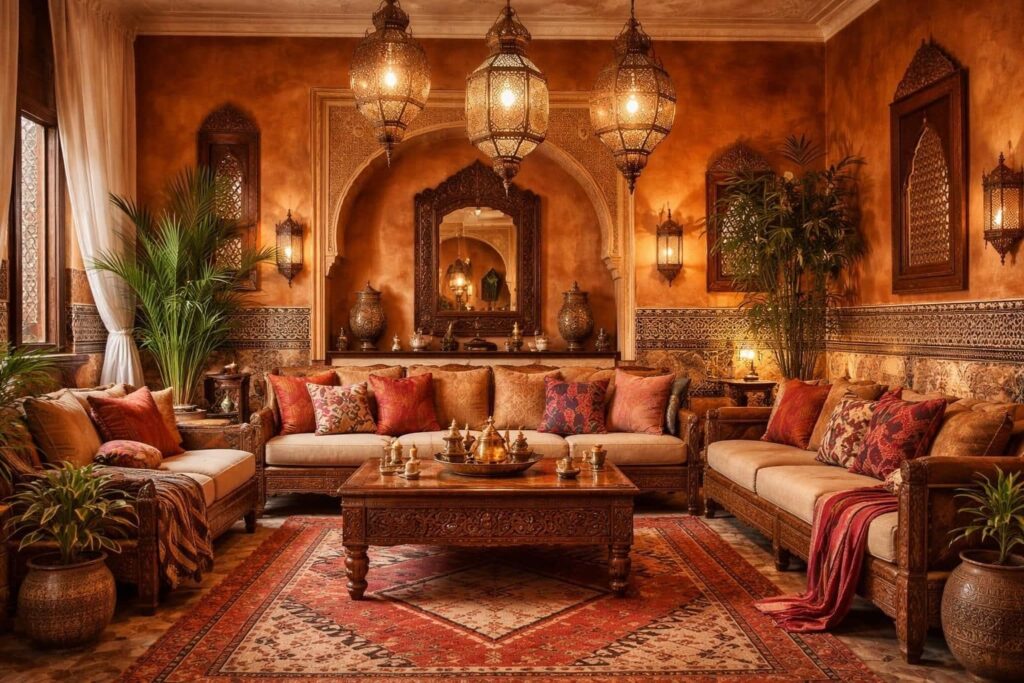
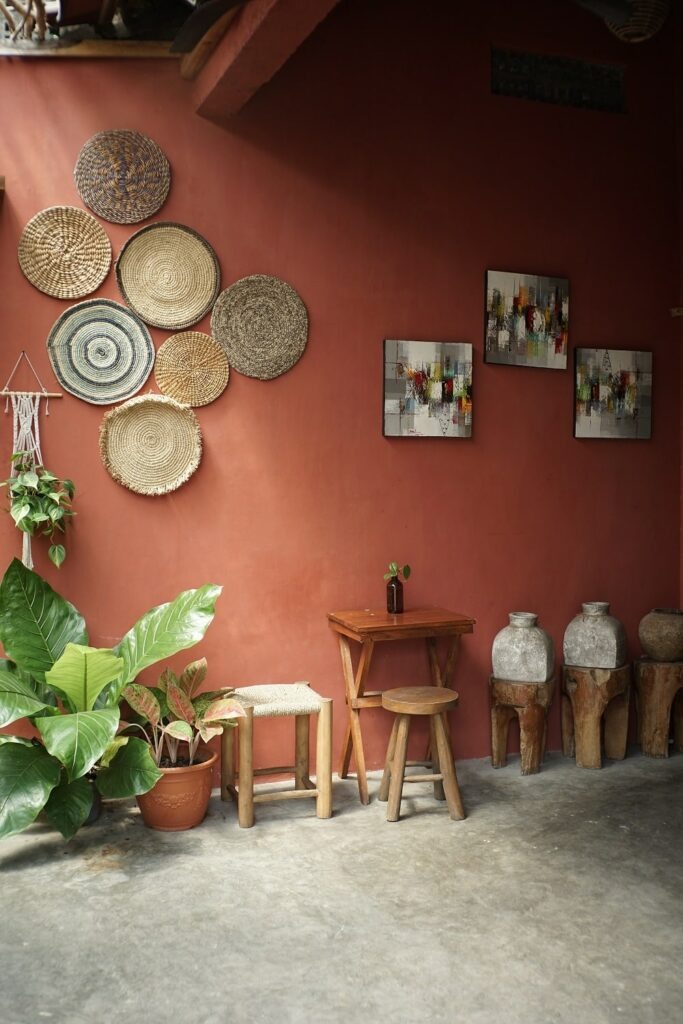
Cold greys and stark whites are officially taking a backseat. In 2026, Indian interiors are embracing a grounded, nature-inspired palette. We are seeing a surge in Terracotta, Sage Green, Clay Brown, and Muted Mustard. These tones aren’t just aesthetically pleasing; they are psychologically grounding, offering a sense of stability and safety in an increasingly fast-paced world.
This palette is also a beautiful, subconscious nod to our roots. It echoes the rich, sun-baked soil of the Indian landscape, the vibrant, warm hues of our spice markets, and the traditional geru (red ochre) that has been used in Indian homes for centuries. By bringing these deeply familiar colors indoors, we blur the lines between the natural world and our private sanctuaries.
You don’t need to paint an entire room clay brown to embrace this feeling. The beauty of this trend lies in its approachability. You can introduce this warmth softly: think of a rust-colored, hand-spun linen throw draped over your sofa, matte terracotta pots replacing glossy white ceramics, or a single accent wall in a muted, dusty sage. Unlike stark whites that reflect light harshly, these earthy shades absorb the afternoon sun beautifully, creating a cozy, enveloping atmosphere that practically begs you to slow down, brew a warm cup of chai, and simply be present. When paired with natural materials like raw teak, woven cane, or oxidized brass, these earthy hues truly come alive, creating a seamless visual flow. Ultimately, this palette proves that true luxury isn’t about stark, untouchable perfection, but rather about surrounding yourself with colors that reflect the warmth and vitality of the earth itself.
Sculptural Silhouettes & "Soft" Curves
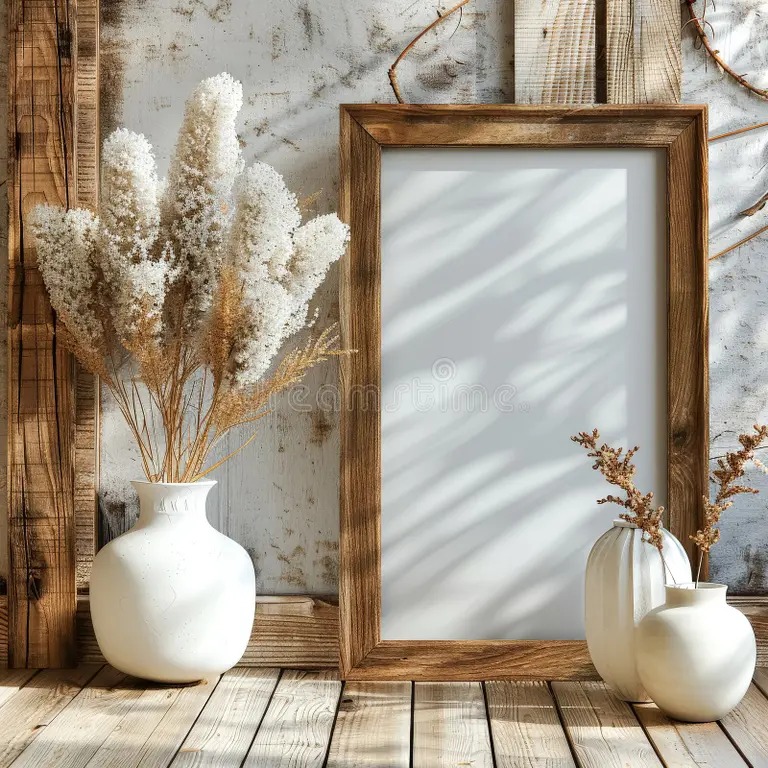
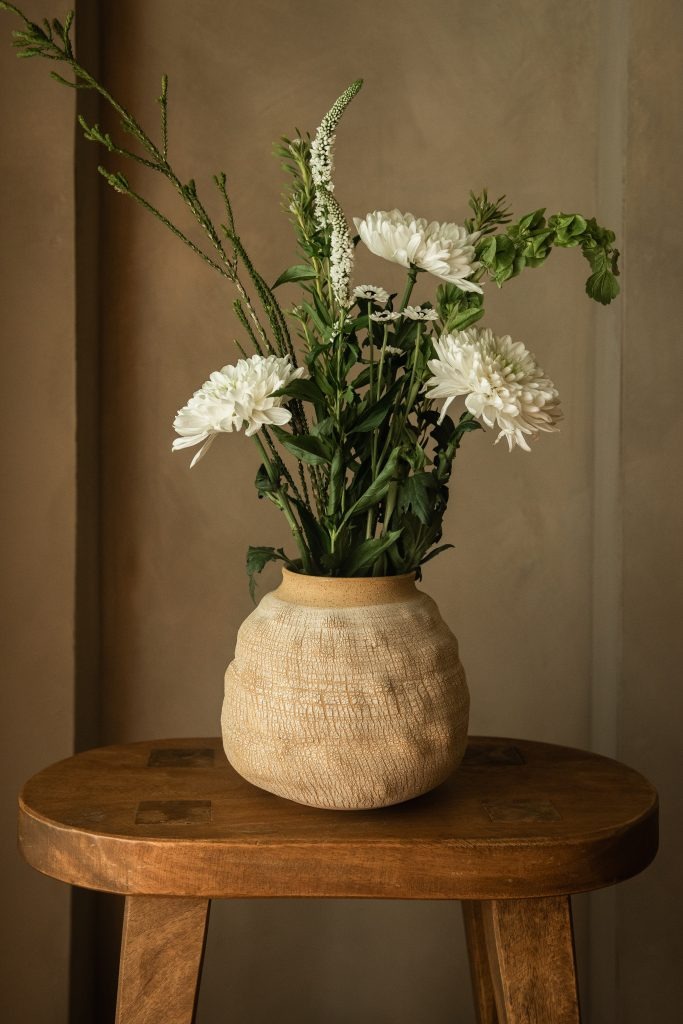
2026 is saying goodbye to harsh lines and sharp edges. From arched doorways to curved sofas and pebble-shaped coffee tables, furniture is becoming more fluid and organic. These “biomorphic” shapes mimic the irregularities found in nature, making a room feel more welcoming and less rigid.
This shift towards softer geometry is a direct response to the boxy, concrete architecture of modern urban Indian apartments. By introducing sweeping curves, rounded edges, and undulating forms, we instantly soften the visual impact of a room, encouraging a more relaxed, meandering flow through the space. Psychologically, curved lines feel safe and embracing, creating a subtle cocooning effect that rigid, angular furniture simply cannot provide.
You don’t necessarily need to invest in a brand-new, oversized curved sofa to participate in this trend. The beauty of this movement is in the styling. It can be as simple as swapping out a rectangular rug for an irregular, free-form shape, or introducing an arched floor mirror to a previously boxy corner. Even small additions matter. A single sculptural vase from the Kiruofficial collection can act as a focal point, breaking the monotony of a straight-lined shelf. These organic, tactile forms invite touch and draw the eye in a continuous, soothing motion, proving that sometimes, the most comforting design choice is the one without any sharp corners at all. Consider how natural light plays across these soft surfaces throughout the day. Without sharp corners to cast harsh, dramatic shadows, sunlight diffuses gently across a curved plaster wall or a rounded ceramic bowl, creating a serene, almost meditative atmosphere. This is especially impactful in smaller apartments, where fluid lines can create an illusion of expanded space by gently guiding the eye rather than stopping it abruptly. By embracing these gentle, undulating silhouettes, we are essentially bringing the effortless grace of the natural world indoors. Ultimately, these soft curves remind us to soften our own edges and embrace a more relaxed pace of living the moment we walk through the door.
“Touch-Me” Textures
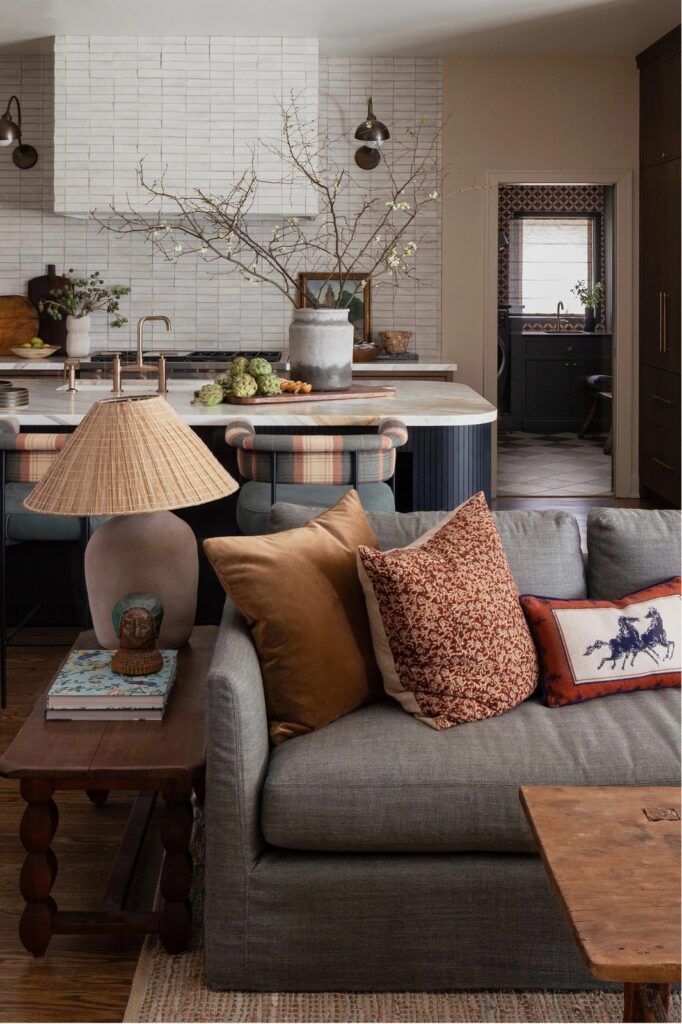
Visual interest in 2026 is created through tactile layering rather than loud patterns. The “Touch-Me” trend involves mixing materials like fluted wood, ribbed glass, matte ceramics, and bouclé fabrics. In Indian homes, this translates to pairing a smooth ceramic vase with a handwoven jute rug or a textured lime-plaster wall. These layers add depth and character without cluttering the visual field.
This sensory approach to design invites you to experience your home not just with your eyes, but with your hands. When we step away from overwhelming, high-contrast prints, we must replace them with physical dimension to prevent a minimalist room from feeling flat or sterile. The true magic happens in the contrast: the friction between a raw, unpolished teak wood console and a sleek, ribbed glass lamp, or the comforting juxtaposition of a nubby, soft armchair resting on a cool, smooth terrazzo floor.
In the context of Indian design, this trend is a beautiful excuse to celebrate our rich heritage of craftsmanship. We can seamlessly integrate artisanal khadi throws, intricately woven cane screens, or hand-carved stone artifacts into modern, contemporary settings. By prioritizing how a piece feels—the weight of it, the warmth of it, the subtle imperfections crafted by human hands—we ground ourselves in the present moment. Ultimately, embracing these rich, varied materials turns an ordinary living room into an immersive, deeply comforting tactile sanctuary that invites you to reach out and connect with your surroundings.
The Sustainable Requirement
Sustainability has transitioned from a mere “trend” to a non-negotiable requirement. Conscious Indian consumers are now looking for FSC-certified wood, bamboo, hemp textiles, and recycled glass. At Kiruofficial, we see this reflected in the growing demand for handcrafted pieces. Homeowners are choosing to invest in one high-quality, sustainably sourced item rather than five mass-produced pieces that won’t last the season.
This shift represents a much deeper understanding of the lifecycle of the objects we bring into our sanctuaries. Today’s homeowners demand transparency; they want to know the exact story behind the materials, the dimensions of their environmental impact, and the hands that meticulously shaped them. By opting for locally sourced mango wood, reclaimed teak, or hand-loomed organic cotton, we are not just making an eco-friendly choice—we are actively preserving generations of Indian artisanal heritage and supporting local economies.
When you invest in a piece that has been thoughtfully and ethically crafted, you can physically feel the difference in its weight, its finish, and its durability. It transcends being just another purchase to become a permanent, cherished fixture in your home’s inventory of belongings. These pieces are designed to age gracefully alongside you, developing a beautiful patina over time rather than ending up in a landfill. Ultimately, this is the very essence of mindful curation: surrounding yourself with beautiful, functional items that respect the earth just as much as they elevate your daily life. It proves that true luxury in a modern home is no longer defined by thoughtless excess, but by profound intention, environmental responsibility, and timeless quality.
Biophilic Living 2.0
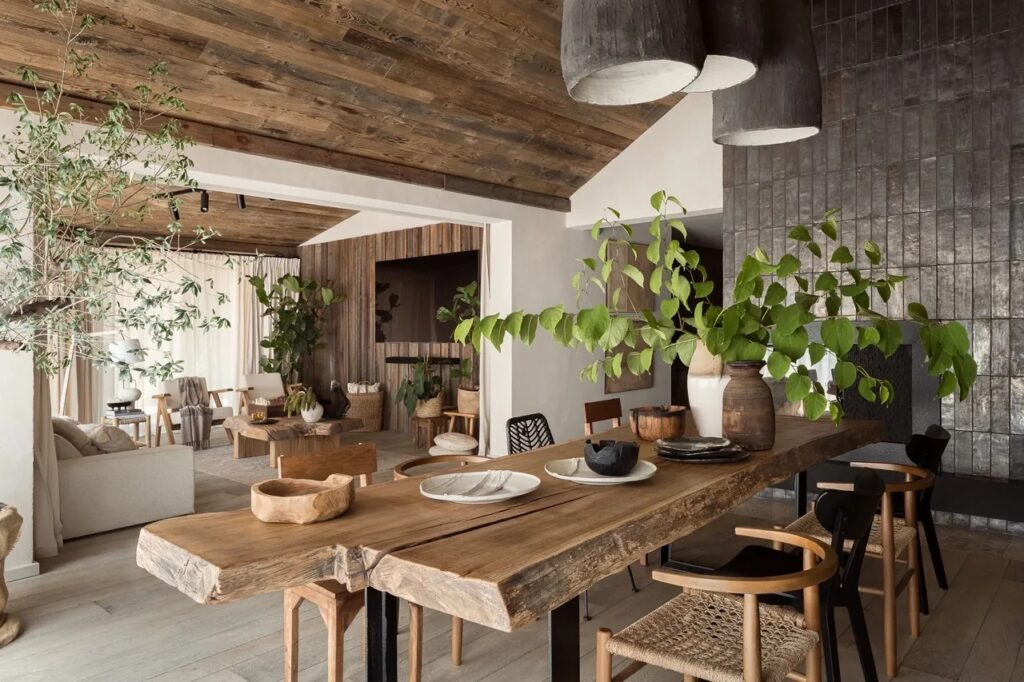
We are moving beyond just adding a few potted plants in the corner of a room. Biophilic design in 2026 is about integrating nature into the very architecture and daily experience of the home. Think lush vertical gardens transforming compact balconies into private jungles, large windows that maximize natural light, and the use of raw, unpolished stone that brings the grounding texture of the earth indoors. The goal is to seamlessly blur the lines between the indoors and the outdoors, which has become absolutely essential for mental well-being in India’s fast-paced, crowded urban centers.
It is about creating a living, breathing ecosystem within your four walls. This means prioritizing native Indian greenery that thrives naturally in our climate—like trailing pothos, structural snake plants, or fragrant indoor jasmine—rather than struggling with high-maintenance exotics. We are also seeing a renewed appreciation for dedicating specific sunlit nooks entirely to nature, acting as miniature internal courtyards even in high-rise apartment living. To fully embrace this, consider the movement of natural light. By swapping heavy drapes for breezy, sheer linen or cotton curtains, you allow dappled sunlight to dance across your floors, mimicking the peaceful feeling of sitting beneath a canopy of trees. Surrounding yourself with this kind of vibrant, organic life does more than just purify the air; it physically lowers your heart rate and provides a deep, psychological exhale. When the concrete jungle outside feels overwhelming, a home that pulses with natural energy becomes the ultimate, life-affirming retreat.
Modern Indian Fusion: Tradition Simplified
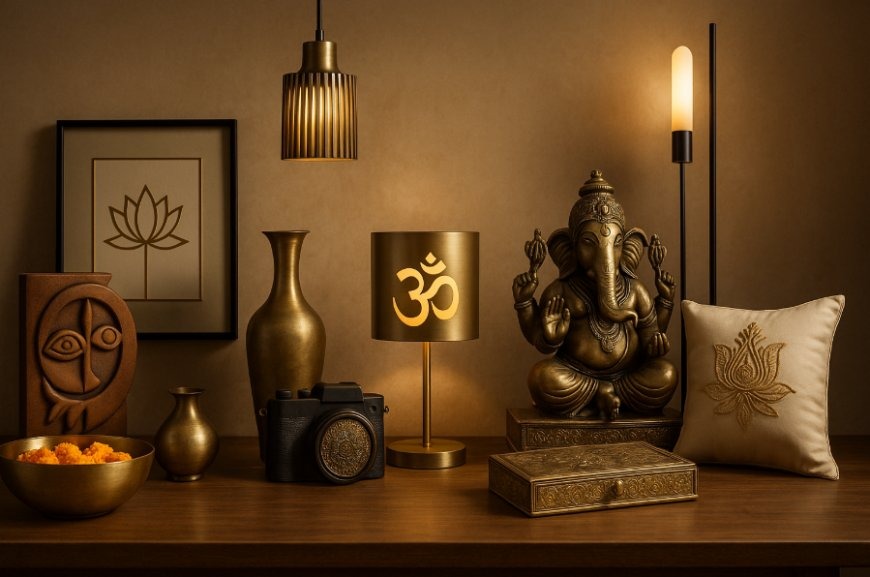
2026 is the year of “Tradition, Simplified.” We are seeing a beautiful blend of heritage and modernism—subtle ethnic motifs like block prints or brass inlays used in contemporary settings. It’s about honoring our roots without making the home feel like a museum. A minimalist living room might feature a sleek sofa paired with a single, stunning Madhubani art piece or a handcrafted brass lamp.
This approach is all about restraint and intentionality. In the past, traditional Indian decor often meant heavy, ornate carvings and dense patterns that could easily overpower a compact urban apartment. Today, the magic lies in the edit. It is the careful juxtaposition of a streamlined, contemporary silhouette with a soulful piece of history. Imagine an antique, intricately carved wooden dowry chest acting as a coffee table, surrounded by low-profile, modern seating and grounded by a neutral, textured rug. The contrast is what makes both elements sing.
By stripping away the excess, these heritage pieces are no longer lost in the clutter; they become the undisputed stars of the room. A hand-block printed cushion suddenly looks incredibly chic when placed against a smooth, modern bouclé chair. This thoughtful fusion allows us to stay deeply connected to our cultural narrative while maintaining the clean, breathable, uncluttered spaces we desperately need for modern living. It is a beautiful, daily design dialogue between the past and the present, creating homes that are as rich in story as they are sophisticated in style.
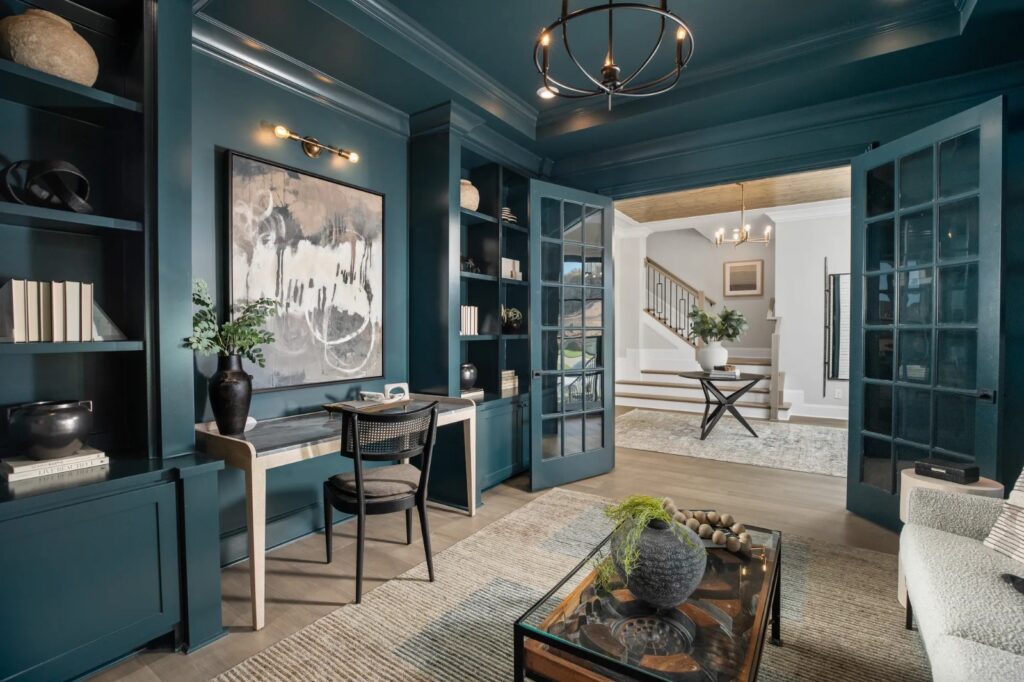
Colour Drenching
For the bold at heart, “Colour Drenching” is the star trend of the year. This involves painting an entire room—including the walls, ceiling, doors, and trims—in a single, immersive shade. Muted teal, deep olive, or warm rust are favorites for this technique. It creates a “cocoon” effect that feels surprisingly soothing and high-end, making even small rooms feel intentional and expansive.
This unbroken sweep of color erases visual boundaries and harsh architectural lines, which is a brilliant trick for disguising the awkward corners, exposed pipes, or low ceilings often found in compact city apartments. By removing the high contrast between walls, skirting boards, and doors, the eye is no longer interrupted as it scans the space. The boundaries of the room seem to softly melt away.
Instead of feeling overwhelming, this monochromatic embrace actually reduces visual noise. It allows your carefully curated furniture and tactile decor—like a textured linen sofa, a glowing brass lamp, or a raw ceramic vessel—to truly pop against a unified, dramatic backdrop. When the bright Indian sun filters through the windows into a color-drenched room, the paint takes on a dynamic, velvety quality, shifting in mood and tone from morning to dusk. Ultimately, it transforms a simple room into a profound, moody retreat that feels incredibly custom, sophisticated, and deeply restorative.
Closing Perspective: Designing for a Life Well-Lived
The 2026 Forecast for Indian interiors isn’t merely a list of changing aesthetics or fleeting fads; it represents a fundamental shift in how we perceive the four walls we call home. We are moving away from the “display home” era—where rooms were designed to impress guests—and entering the era of intentionality, where spaces are designed to support the emotional and physical well-being of the people living inside them.
In a world that feels increasingly digital and transient, our homes are becoming our most important anchors. This year, the trend is toward authenticity. It is about choosing a color like Terracotta not just because it is popular, but because it reminds you of the earth. It is about selecting a Kiruofficial vase because its ribbed texture catches the light in a way that brings you a moment of calm during a busy morning.
Ultimately, the spaces we curate should tell the honest story of who we are and what we value most. When you invest in slow decor, sustainable materials, and pieces that resonate on a sensory level, you are doing more than just decorating; you are actively designing your daily peace of mind. Let 2026 be the year you stop waiting for the “perfect” time to enjoy your space. Stop saving your best items for company. Light that cherished incense, run your hands over those raw, tactile surfaces, and allow your modern Indian home to become the profound, deeply personal sanctuary it was always meant to be. The truest luxury is a home that finally feels like you.